





Healthy Habits for Managing Stress
Healthy Habits for Managing Stress
April 9, 2026
 Stress comes in many shapes and sizes, and people react to stress in different ways. While stress cannot be totally avoided, you can build habits that help manage stress and lead to a happier, healthier life. When left unmanaged, stress often has adverse effects on your health, including a higher risk of heart disease and stroke.
This Stress Awareness Month, the NYCDCCBF is sharing helpful resources from the American Heart Association and Express Scripts. We encourage you to share with your family, friends, and co-workers. As always you should consult with a doctor for medical advice regarding changes to your diet and activity levels.
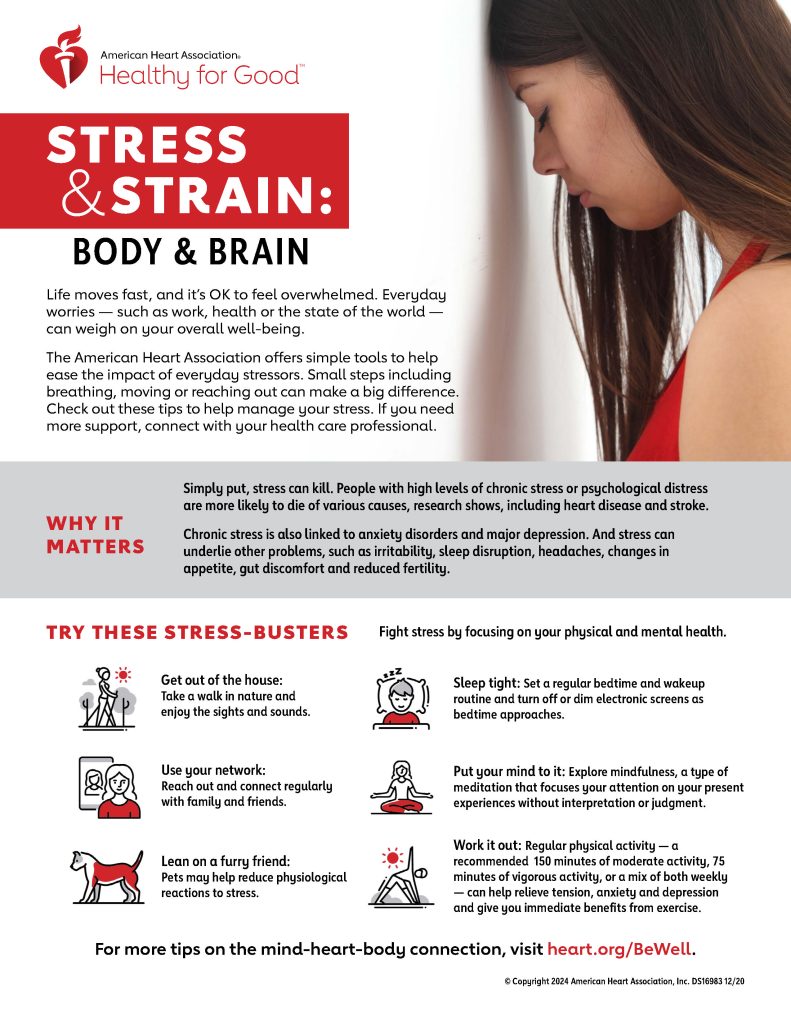
6 Ways To Help Manage Stress:
1. Move Around
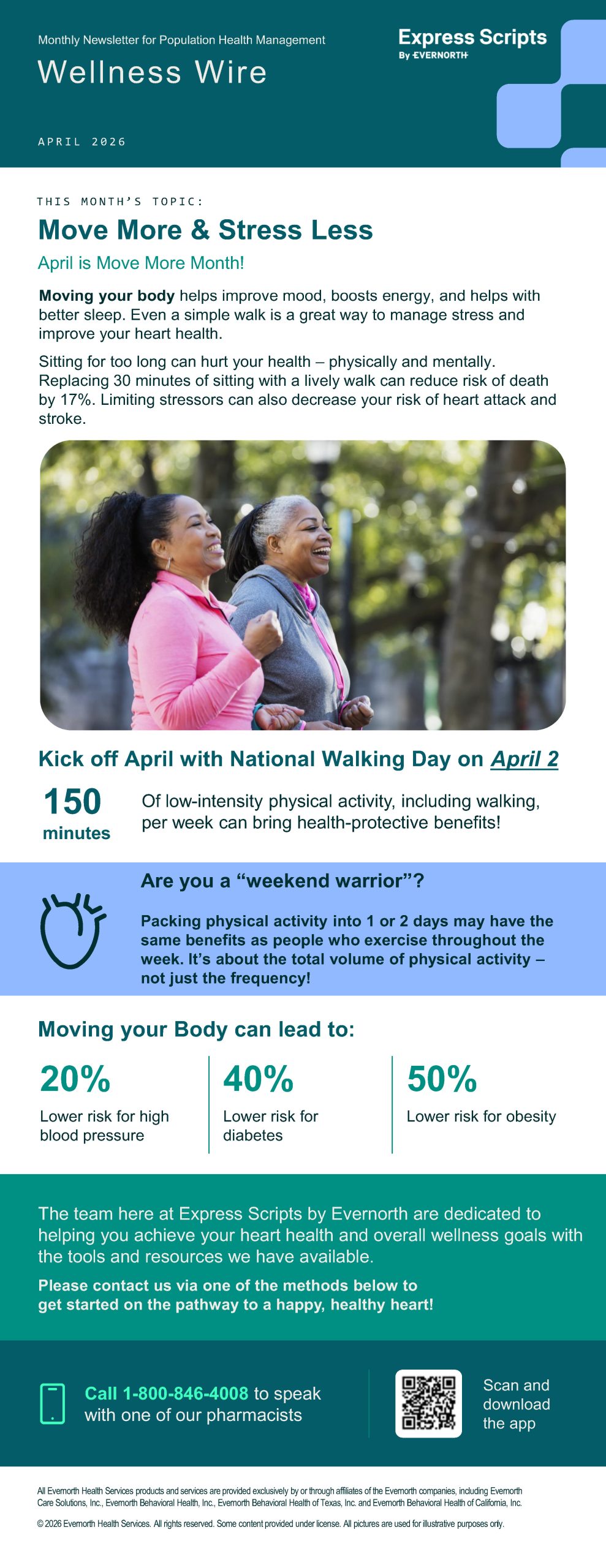
Exercise is a great way to improve your mood. Just 150 minutes (2.5 hours) a week of low-intensity activity such as walking can bring health-protective benefits. Look to add physical activity to your weekly routine by joining a gym, playing sports, or meeting a friend for a walk.
2. Get Out of the House
Fresh air and a change of scenery can help lower stress. Activities such as walking in nature or riding a bike can provide both physical and mental benefits. Going outside to do things you like to do – including reading and listening to music – can also help boost your mood.
3. Use Your Network
When stress and anxiety run high, many people isolate themselves. While alone time can be important, connecting with friends and family is often a tremendous help dealing with stress. Next time you’re feeling stressed, consider social activities such as talking to a friend on the phone or meeting with a group.
4. Lean on a Furry Friend
Pet-owners know the warmth and joy a pet can provide. Research has shown pets may help reduce physiological reactions to stress. If you’re looking to relax, try taking a walk with your dog or curling up with your cat.
5. Put Your Mind to It
Mindfulness practices can be extremely helpful when dealing with stress. Look for ways to add mindfulness to your daily routine, such as meditation and breathing techniques.
6. Sleep Tight
Sleep plays a pivotal role in overall health, yet is often overlooked, especially during stressful times. Try to practice good sleep hygiene, which includes setting a regular bedtime and limiting stimulation (including screentime) before bed.
Additional Resources:
Stress Management Tips from the American Heart Association: https://www.heart.org/en/healthy-living/healthy-lifestyle/stress-management
Understanding How Stress Affects the Body: https://www.heart.org/en/healthy-living/healthy-lifestyle/stress-management/lower-stress-how-does-stress-affect-the-body
Meditation and Mindfulness Videos: https://www.heart.org/en/healthy-living/healthy-lifestyle/stress-management/meditation-and-mindfulness-videos